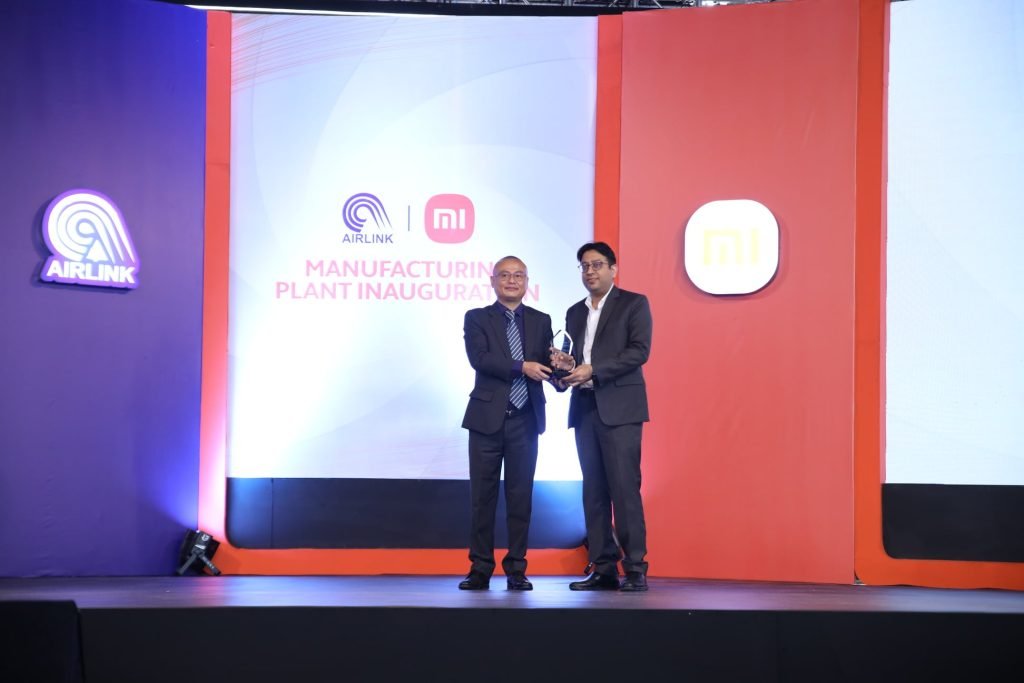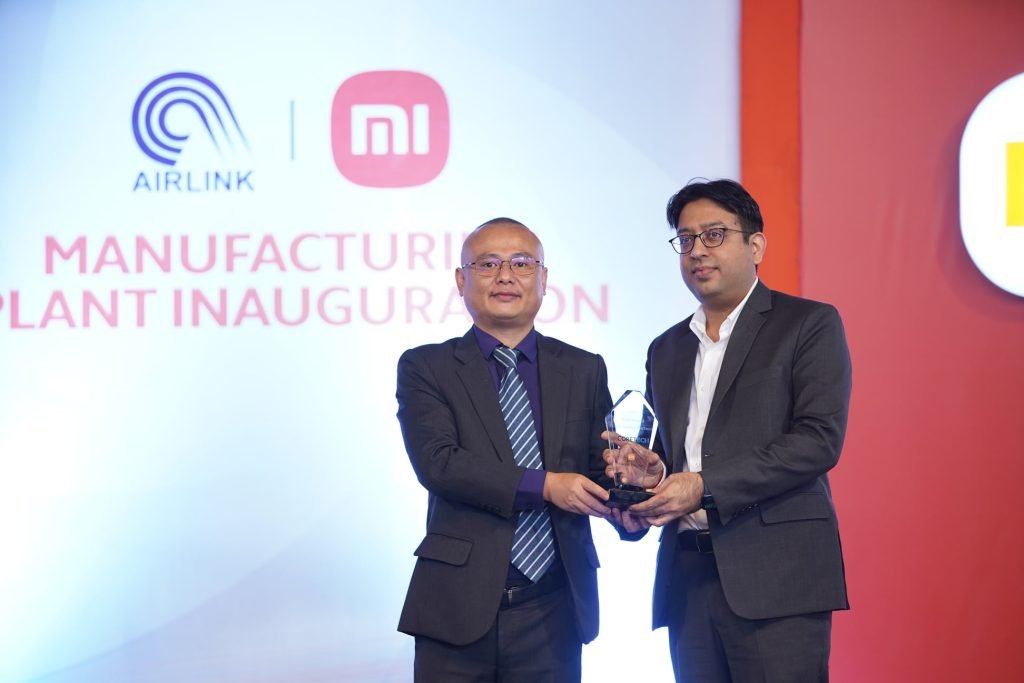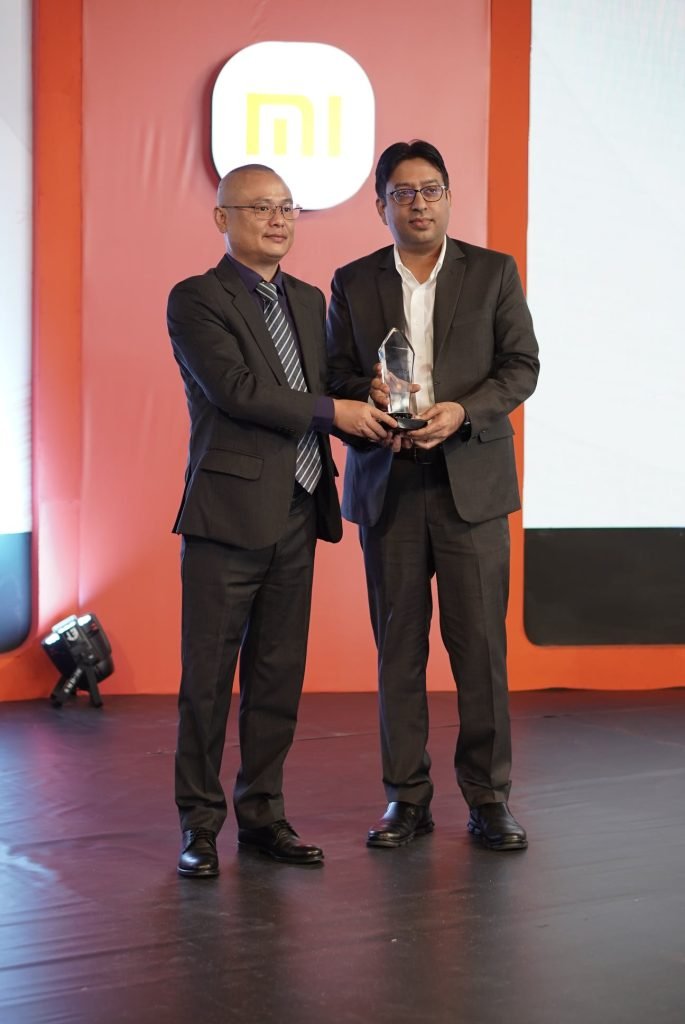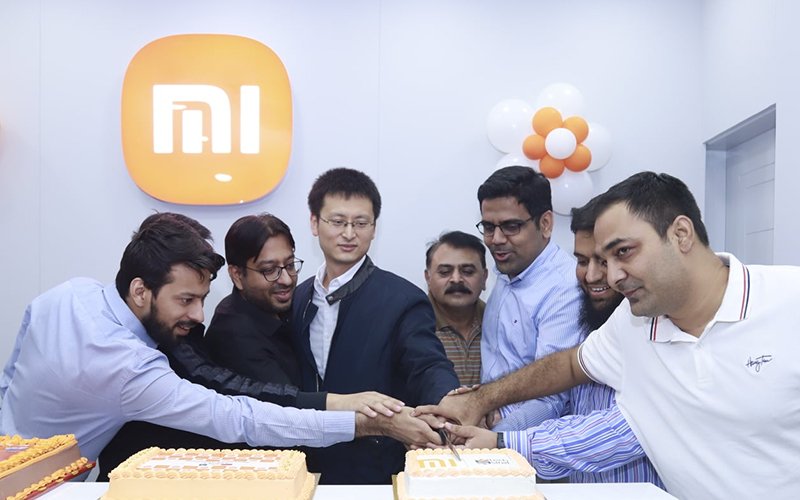
Pakistan’s tech landscape is evolving, and the recent inauguration of a smartphone manufacturing plant marks a notable turning point. By partnering to produce Xiaomi handsets locally, the project aims to boost domestic manufacturing, create skilled jobs, and reduce dependency on imports. Here’s a comprehensive look at what this development means, the context, and what to watch for in the coming months.
The Event: A Glimpse into the Inauguration
- Occasion: Inauguration ceremony for the smartphone manufacturing plant dedicated to producing Xiaomi handsets in Pakistan.
- Attendee: The event was honored by the presence of the President of Pakistan, Mr. Arif Alvi, who commended the initiative and acknowledged the contribution to local manufacturing.
- Significance: The visit underscored the government’s interest in expanding domestic tech production and fostering public-private partnerships to drive economic growth.
Why Local Smartphone Manufacturing Matters
- Job Creation and Skill Development: Local production creates direct employment opportunities and helps build a workforce skilled in high-tech manufacturing, supply chain management, and research and development.
- Economic Impact: Local manufacturing can reduce import bills, improve trade balance, and stimulate ancillary industries such as components suppliers, logistics, and after-sales services.
- Technology Transfer: Partnerships with global brands bring exposure to international standards, quality control, and innovation ecosystems.
About Xiaomi
- Xiaomi: A globally recognized smartphone brand known for its wide range of devices, from budget to premium segments, with a focus on value and innovation.
Potential Impacts on Pakistan’s Tech Ecosystem
- Supply Chain Resilience: Local production can shorten supply chains and reduce vulnerabilities in times of global disruption.
- Consumer Access: More affordable devices and faster service integration can improve smartphone penetration and digital inclusion.
- Innovation Ecosystem: A local manufacturing base can stimulate startups, R&D activity, and partnerships between universities, industry, and government.
Challenges and Considerations
- Quality Assurance: Maintaining international quality standards in a new manufacturing context requires robust QC processes and ongoing training.
- Economic Viability: Achieving cost competitiveness amid import duties, currency fluctuations, and component sourcing challenges.
- Regulatory Framework: Ensuring favorable policies, incentives, and streamlined regulatory processes to attract further investment.
What to Expect Next
- Production Milestones: Ramp-up timelines, initial line outputs, and expansion plans.
- Localization of Components: Opportunities to source more parts domestically over time.
- Skill Development Programs: Training initiatives for technicians and engineers to sustain long-term operations.